Led and managed the design system that enables 15+ teams to create consistent and unified experiences across digital platforms.
Role
Owner and Designer
Tool
Figma
Deliverables
Foundation library
Component library
Pattern library
Documentation and Guidelines
Illustrations library
Data visualizations library
Contribution model
Community Space
As Evinova transitioned into an independent scale-up, design teams were working across three separate design systems, each with its own identity, tooling, and level of maturity. This fragmentation led to inefficiencies and inconsistencies across internal tools and client-facing products.
I led the effort to consolidate the systems into a single, scalable design system that reflects Evinova's new brand direction. I focused on building strong cross-functional relationships to align design and engineering, define a collaborative structure, and create a clear migration plan.
To lay the foundation for a unified design system, I initiated discovery sessions with key stakeholders from each existing system. These conversations, along with hands-on audits, allowed me to evaluate component libraries, build processes, documentation, frameworks, maintenance workflows, and usage patterns across the organization.
While each system had been built with specific needs in mind, the discovery process revealed a number of valuable opportunities to enhance efficiency, consistency, and collaboration:
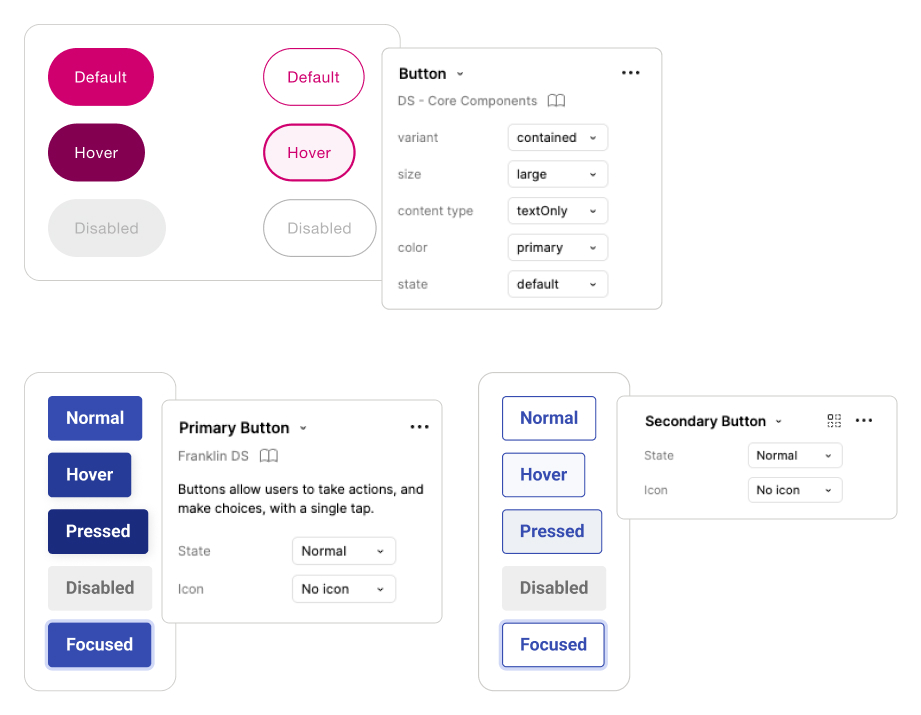
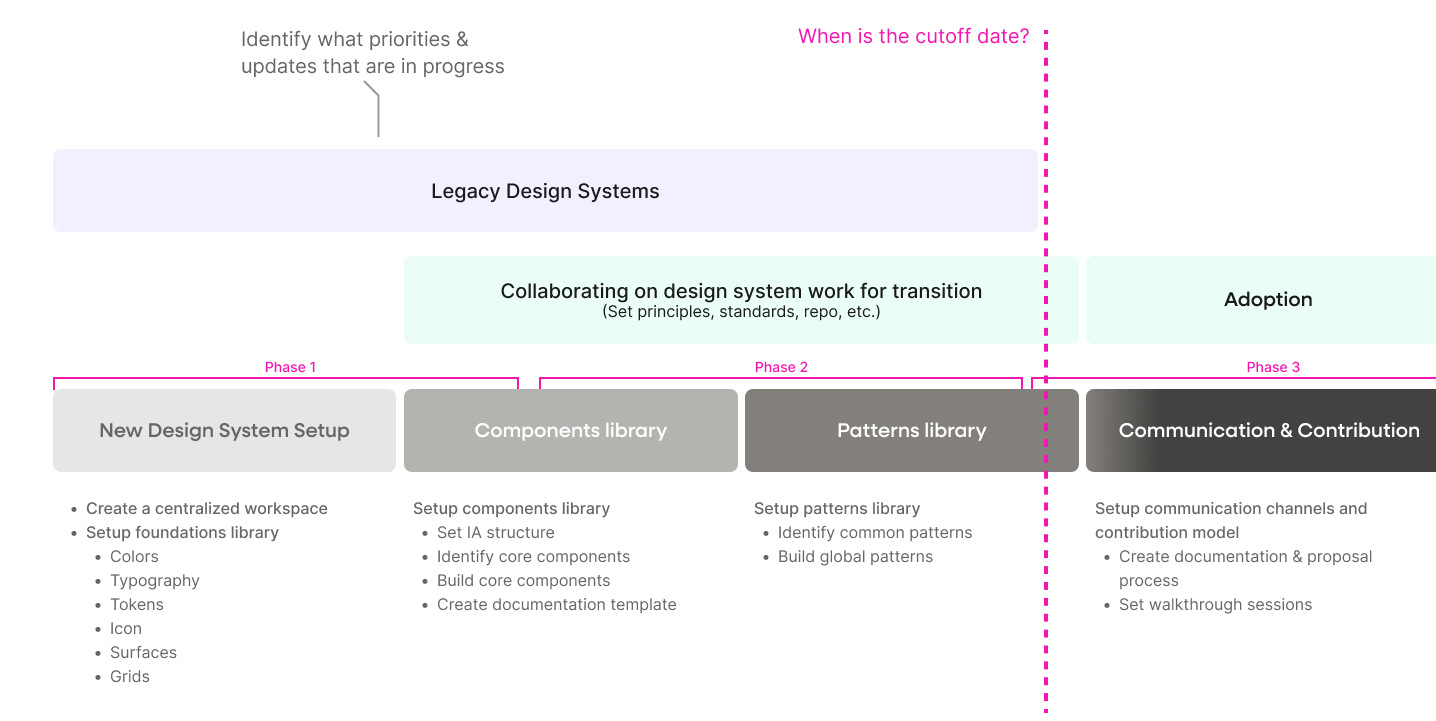
I developed a phased migration strategy to transition from the three existing design systems to a unified new system. The plan balances team capacity, product release schedules, and business priorities. To minimize disruption, I structured the migration to include parallel run periods where both legacy and new systems operate simultaneously, ensuring a smooth transition for all teams.
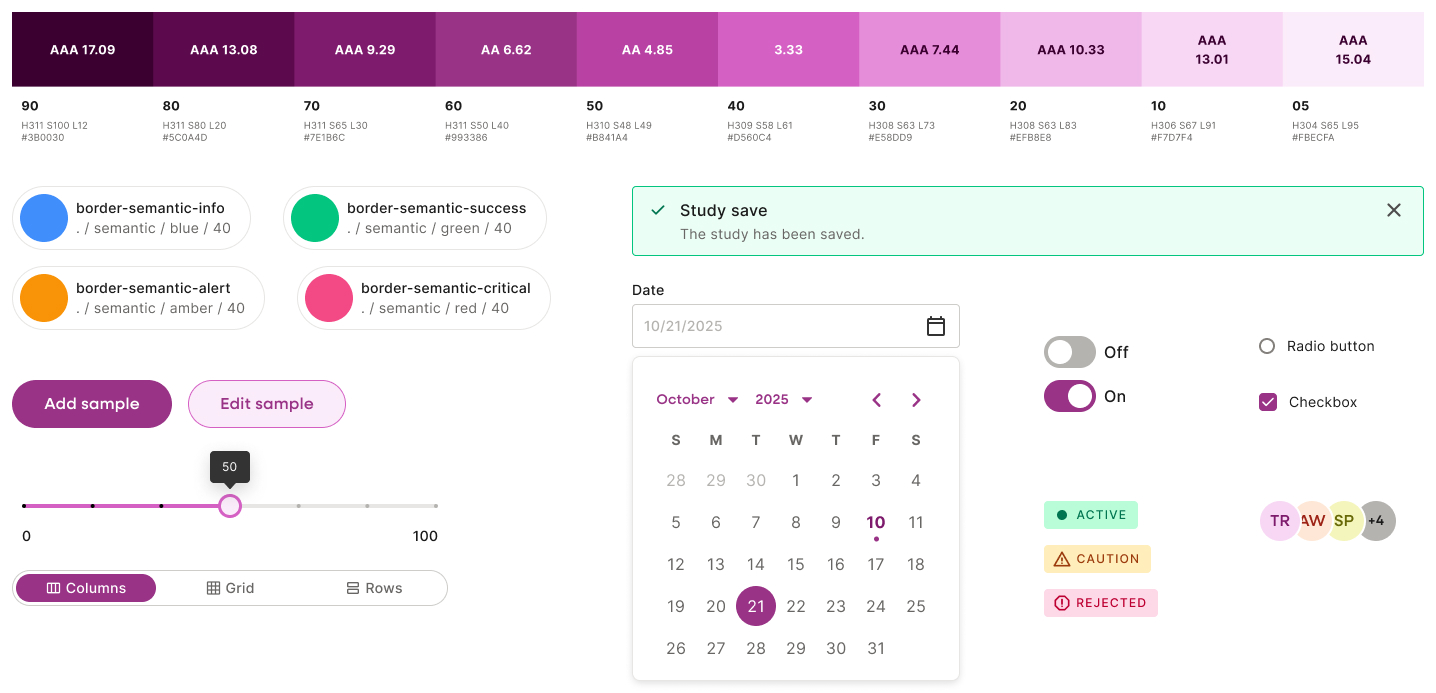
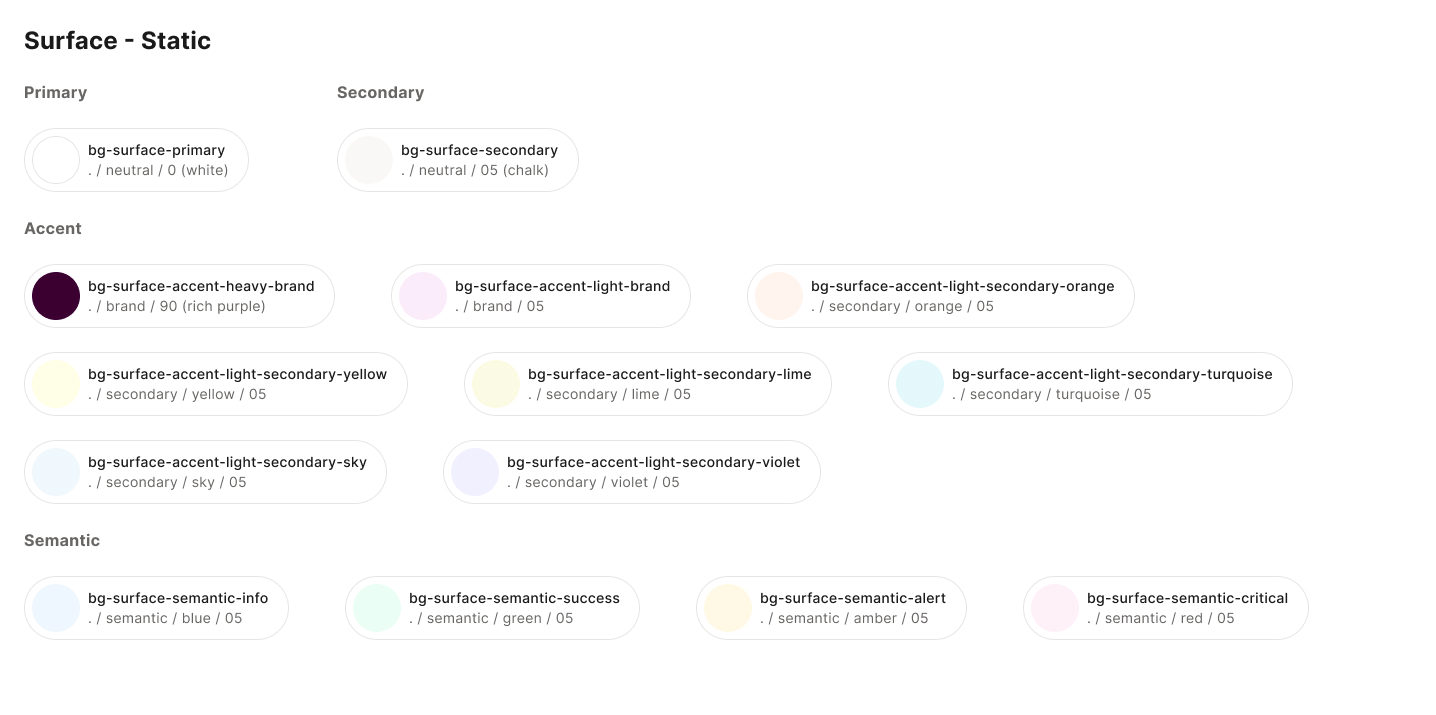
I created a well-structured Figma workspace that centralizes all design system resources. Established clear design principles and collaborated with key designers to build a token-driven foundations library to ensure consistency across design and code.
Partnered with engineer teams to develop an automated system that seamlessly synchronizes design tokens between Figma and GitHub.
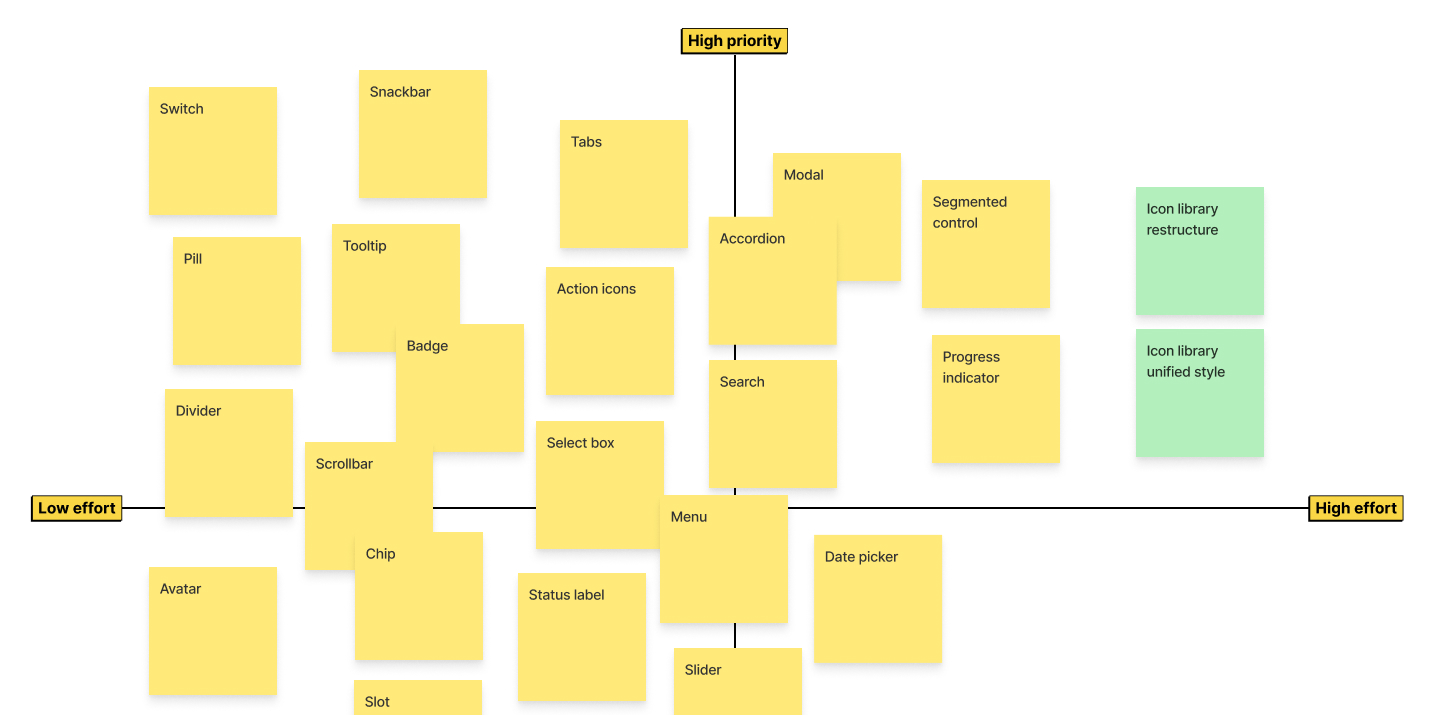
I work with a small squad and we prioritized which components to build first. We created a matrix to help us decide which component to keep, merge, redesign, or deprecate based on usage frequency, complexity, and alignment with design principles.
I established a sprint cadence to ensure we were releasing high-priority components to the team on a bi-weekly basis and remaining agile to respond and react to design team feedback.
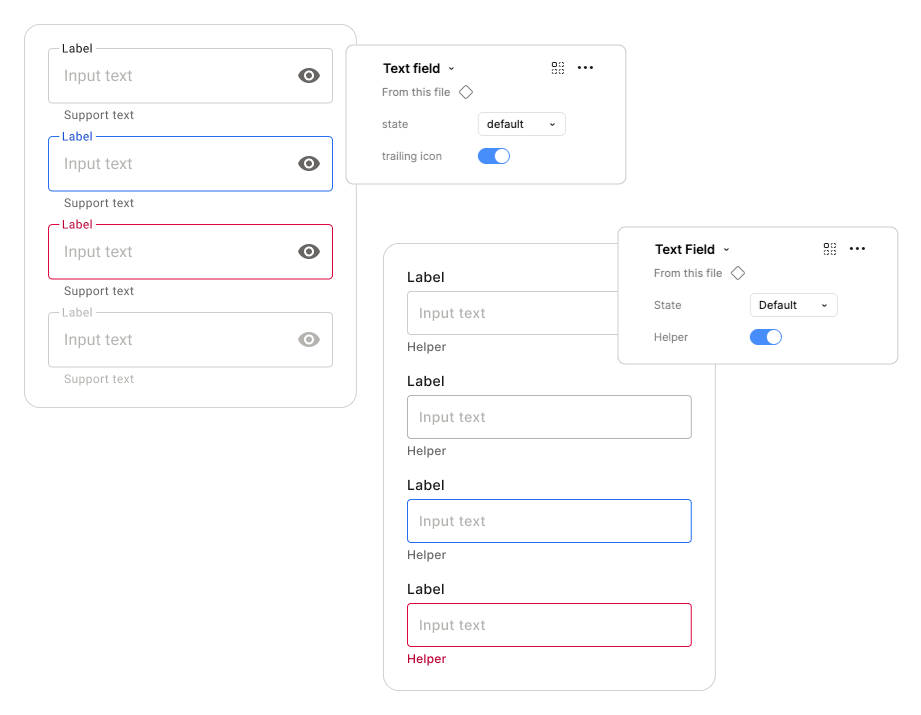
Each component comes with comprehensive documentation that includes detailed usage guidelines, examples of all available variants, a breakdown of its anatomy, and additional insights to enhance your understanding.
The components are built and optimized with clear and concise properties that align with development props and compatible with MCP servers for AI workflow. Utilized auto layout for responsiveness, assigned tokens appropriately, maintained a clean layer naming convention, and ensured compliance with accessibility standards.
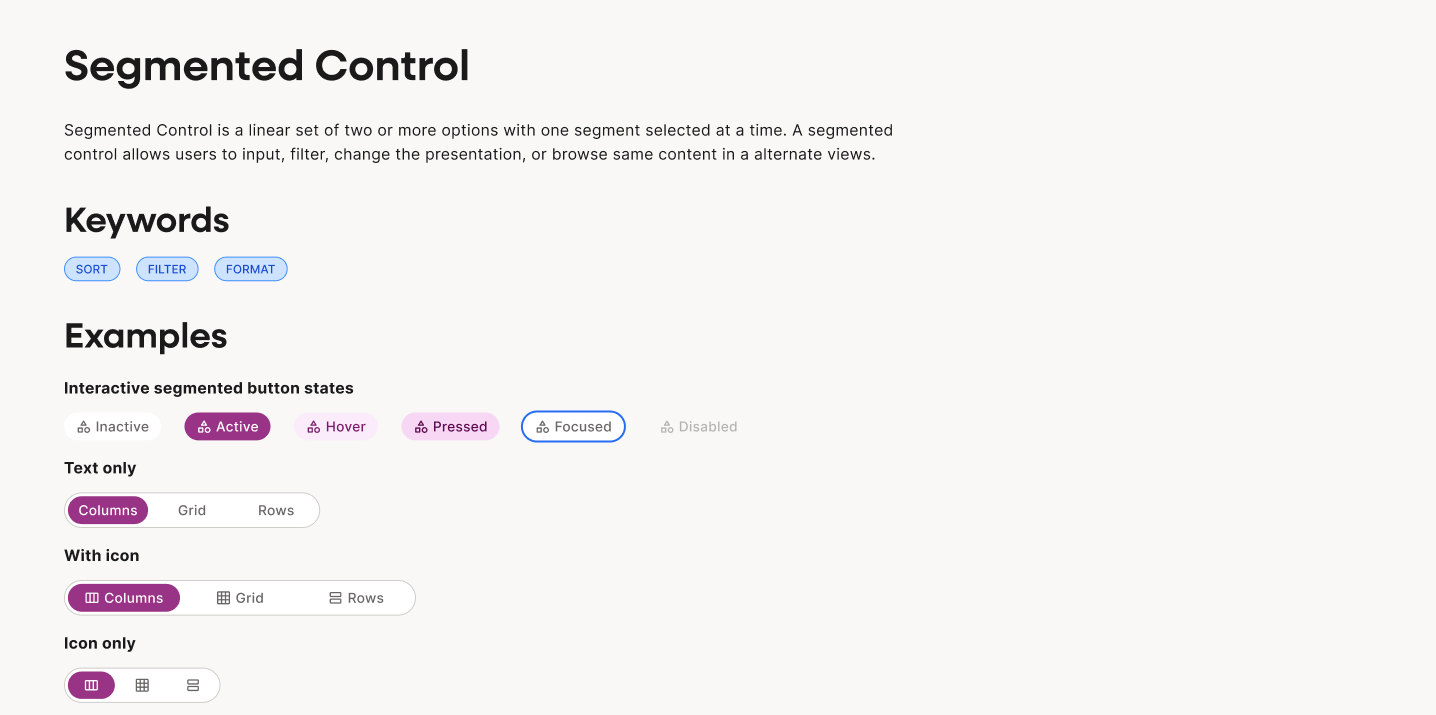
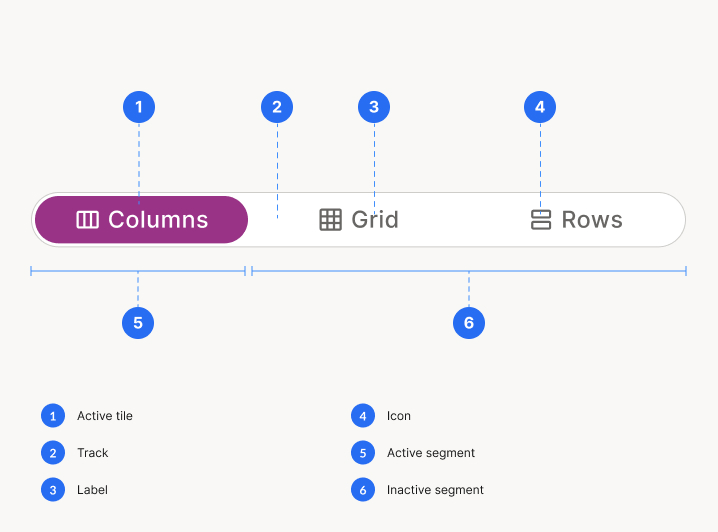
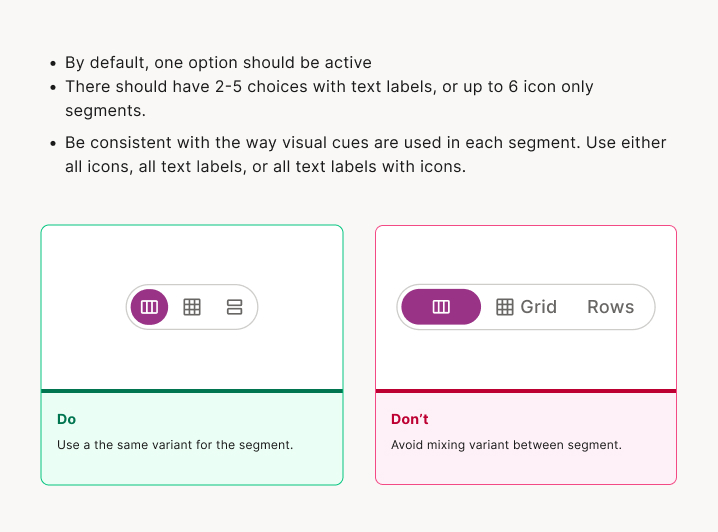
I organized a collaborative beta session with users to introduce the new design system. I walked through all available libraries, gave a deep dive on design tokens, and shared Figma best practices.
I asked them to recreate a screen while I observed their navigation through the libraries, use of design tokens, and utilization of component properties. They had 2 weeks to pilot the design system and document any issues.
The pilot was successful. I gathered valuable feedback and identified areas for improvement. Users appreciated the intuitive libraries and found the documentation informative and helpful.
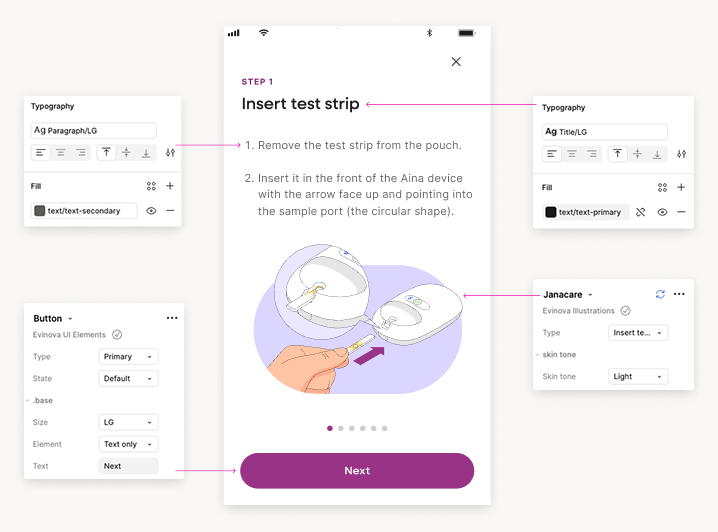
I developed a communication strategy to inform teams across the organization about the upcoming release of the new design system that highlighted updates, timelines, and support system to help and guide teams to adopt the new design system.
I conducted deep dive workshops to educate teams to get familiar with the new design system that included a new colors palette, typography styles, design tokens, and more in the foundations library. Provided a walkthrough of the robust component library that redefines how components are built and used with supporting documentation.
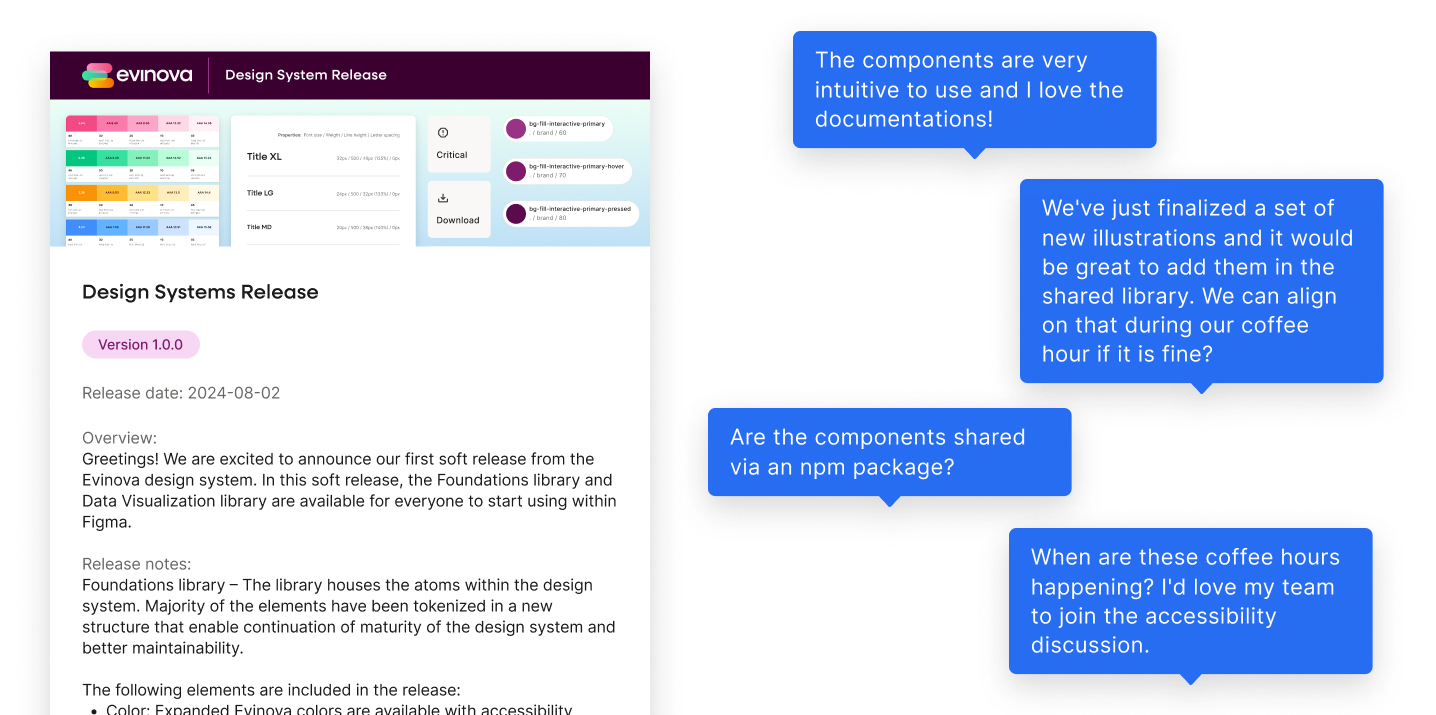
Established a release cadence to ensure teams are notified and updated on releases.
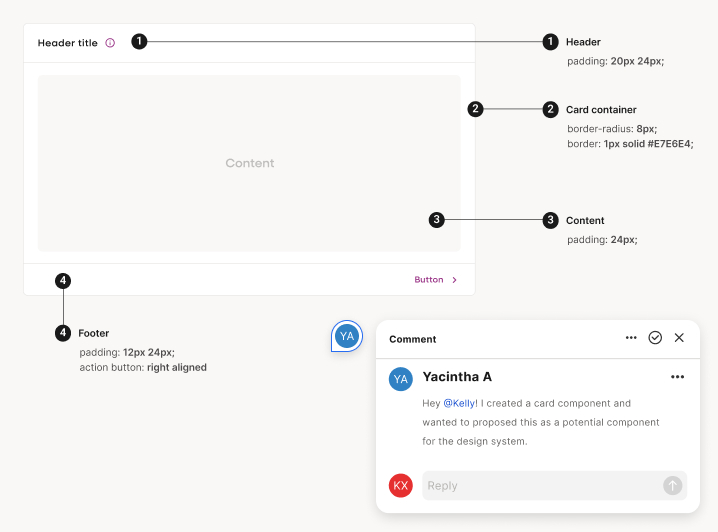
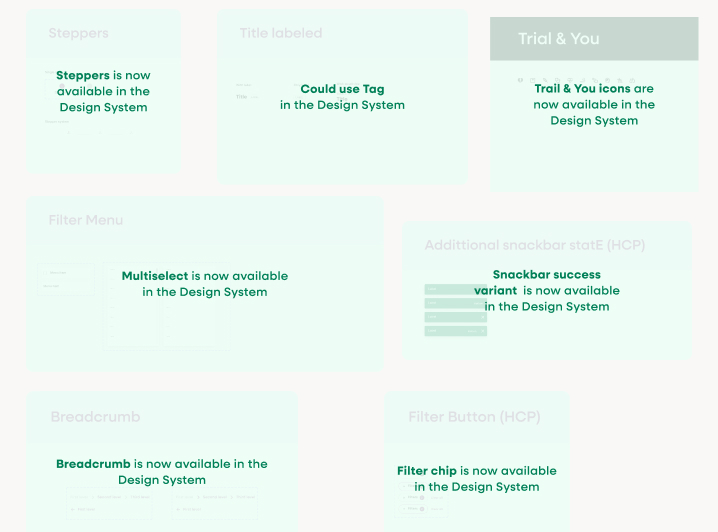
For our contribution model, I created Create to Systemize that empowers designers to create and explore the ideal experience and the Design System team will help systemize it. There were 60+ contribution proposals and 40 contributions were systemized through cross-functional collaboration across design and engineering teams.
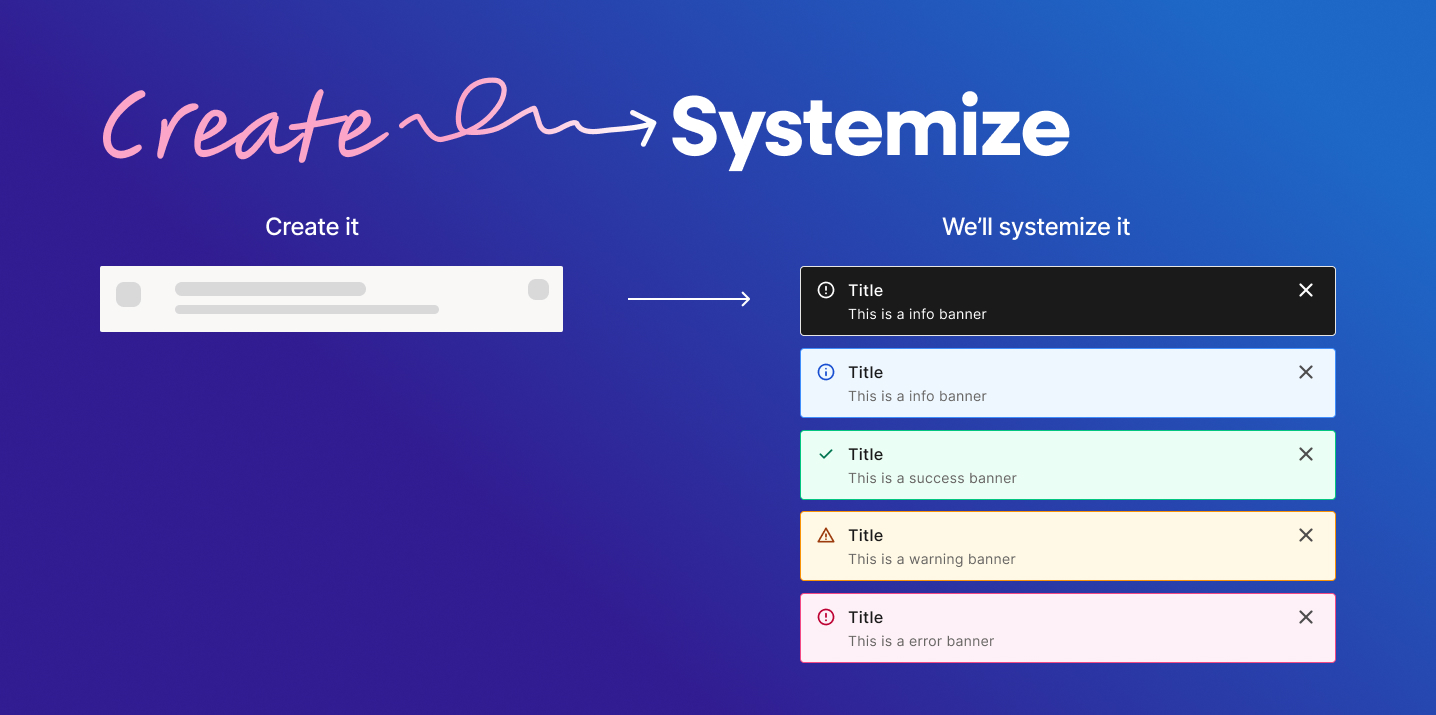
There are dedicated sandboxes for different types of proposals such as icons, components, and patterns. One section is reserved for proposals, while another section contains items currently under review and approved by the design system team.